DE/EN
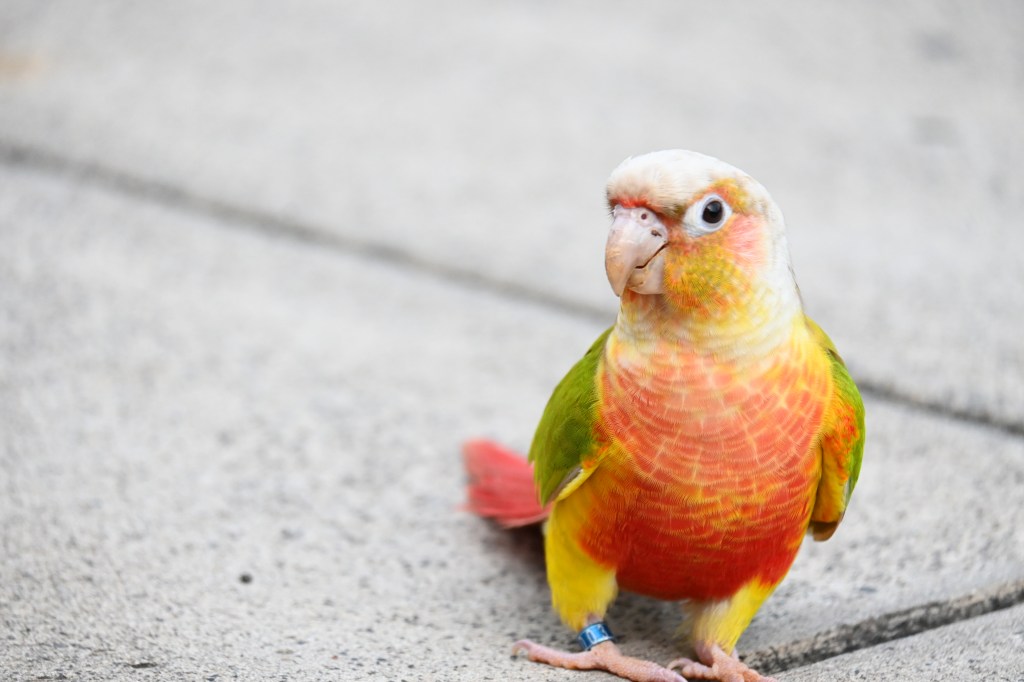
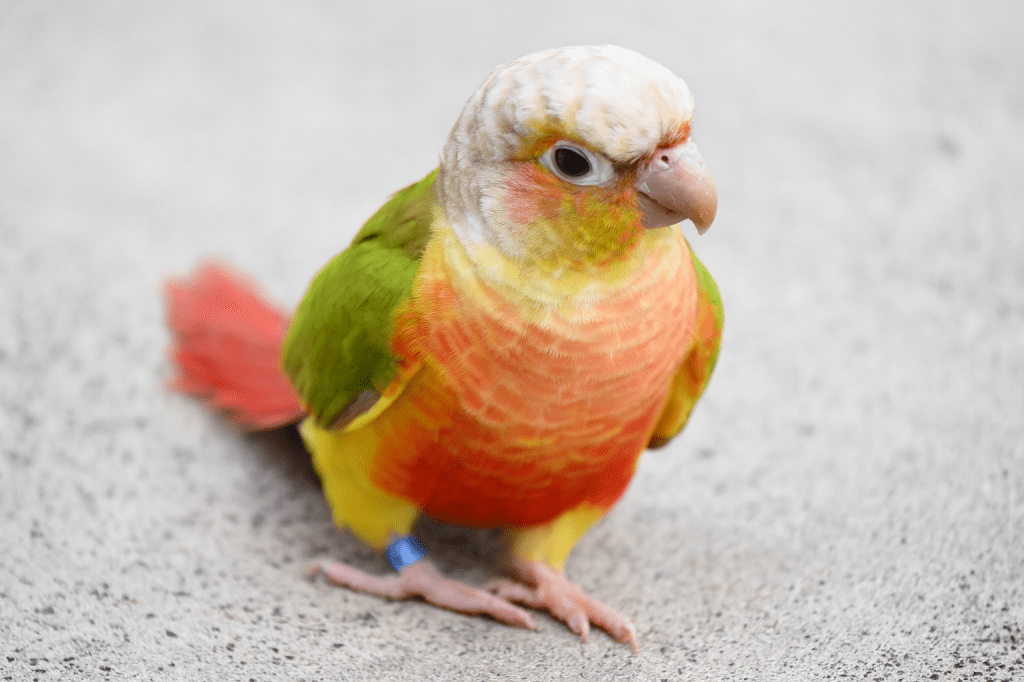
Papageien in Indien befallen Mohnfelder. Was ist hier der Hintergrund. In Indien sind Papageien eine übliche Art, vor allem Halsbandsittiche, die in Regionen wie Neemuch in Madhya Pradesh auftreten (Vgl. LiveScience 2019). In Indien werden Mohnfelder offiziell staatlich kontrolliert angebaut, um daraus Medikamente wie Morphin und Codein herstellen zu können (Vgl. Virtue Recovery Center 2023).
Die Vögel sind eine Belastung für die Feldarbeiter, denn sie befallen nicht nur den Mohn, sondern zeigen mit der Zeit Suchtverhalten. Symptome wie Aggression, Nervosität oder sogar Abstürze beim Flug wurden beobachtet (Vgl. Virtue Recovery Center 2023; LiveScience 2019). Es ist schwierig, die wilden Tiere zu kontrollieren. Gegenmaßnahmen wie Feuerwerkskörper oder Wachpersonal zeigen nur begrenzt Wirkung (Vgl. LiveScience 2019).
Natur und Sucht: kein Einzelfall
In der Natur zeigt sich Suchtverhalten nicht nur bei Papageien, sondern auch im klassischen Beispiel von Delphinen, die an einem Kugelfisch lecken, um high zu werden (Vgl. Smithsonian Magazine 2014). Auch Wespen sind bekannt dafür, dass sie gärende Früchte oder Baumsäfte konsumieren und dadurch berauscht werden (Vgl. National Geographic 2017).
Es zeigt sich aber nicht nur ein Rauschverhalten im direkten Sinne. Auch Dopamin-Rezeptoren wurden erforscht: In einem bekannten Tauben-Experiment von B. F. Skinner wurde gezeigt, dass Tauben bei zufälliger Futterausgabe (variable ratio schedule) stärkeres, zwanghaftes Verhalten zeigen als bei verlässlichen Belohnungen. Dies hängt direkt mit dem Dopamin-System und Suchtdynamiken zusammen (Vgl. Skinner 1957).

Maßnahmen gegen die Tiere
Landwirte haben verschiedene Maßnahmen ausprobiert: Manche setzen auf Feuerwerkskörper oder Lautsprecher, um die Tiere durch Krach zu vertreiben, andere auf Patrouillen durch Feldarbeiter. Doch all diese Mittel sind nur kurzfristig wirksam, die Papageien kehren immer wieder zurück (Vgl. LiveScience 2019). Teilweise werden auch Netze oder reflektierende Bänder eingesetzt, die etwas nachhaltiger wirken und den Tieren keinen direkten Schaden zufügen (Vgl. Virtue Recovery Center 2023).
Weniger artgerechte Methoden: wie der Versuch, Papageien durch gezielte Vergiftung oder Abschuss fernzuhalten, gelten dagegen als hoch problematisch, da sie Tierleid erzeugen und nicht mit modernen Standards des Tierschutzes vereinbar sind.
Wirtschaftliche Interessen
Warum wird Mohn trotzdem weiter angebaut? Die Antwort ist einfach: Geld und Sicherheit.
Für die Bauern bedeutet der Mohn ein stabiles Einkommen: besonders in Regionen wie Madhya Pradesh, Rajasthan und Uttar Pradesh. Für den indischen Staat ist er eine sichere Einnahmequelle, da Indien weltweit einer der größten legalen Exporteure von Schlafmohnprodukten ist (Vgl. INCB 2021). Für die Pharmaindustrie ist er ein unverzichtbarer Rohstoff. Medikamente wie Morphin und Codein sind global stark nachgefragt.
Und nicht zuletzt: Der legale Anbau verhindert, dass der gesamte Bedarf über den illegalen Schwarzmarkt gedeckt wird (Vgl. UNODC 2022).
Das ethische Dilemma
Also, um die Sache abzurunden: Die Papageien zeigen ein Suchtverhalten, was teilweise natürlich gegeben ist. Unnatürlich ist dabei, dass die Mohnfelder künstlich erzeugt werden. Ein klassisches Dilemma, denn Schmerzmittel sind in der Medizin einfach notwendig. Niemand möchte Schmerzen haben und das müssen wir auch nicht.
Aber: Wir stehen vor der Frage, ob der medizinische Nutzen von Opiaten die ökologischen und tierethischen Nebenwirkungen rechtfertigt. Philosophisch lässt sich hier auf Hans Jonas’ Prinzip der Verantwortung verweisen: Wir sind verpflichtet, technische und medizinische Fortschritte so zu gestalten, dass sie nicht zu unkontrollierten ökologischen Folgen führen (Jonas 1979). Eine mögliche Lösung könnte die biotechnologische Herstellung von Morphin in Hefezellen sein, wie sie 2015 erstmals gelang (Galanie et al. 2015). Das würde Mohnfelder langfristig überflüssig machen und damit auch die Konflikte zwischen Mensch, Tier und Umwelt verringern.
Ende vom Lied
Der Mohnanbau ist mehr als nur ein lokales Phänomen von Papageien, die high werden. Er ist Teil eines globalen Geflechts von medizinischer Notwendigkeit, ökologischen Risiken und wirtschaftlichen Interessen. Das Beispiel zeigt, wie eng Gesundheit, Umwelt und Ethik verflochten sind und dass Lösungen immer auf mehreren Ebenen gedacht werden müssen.
EN
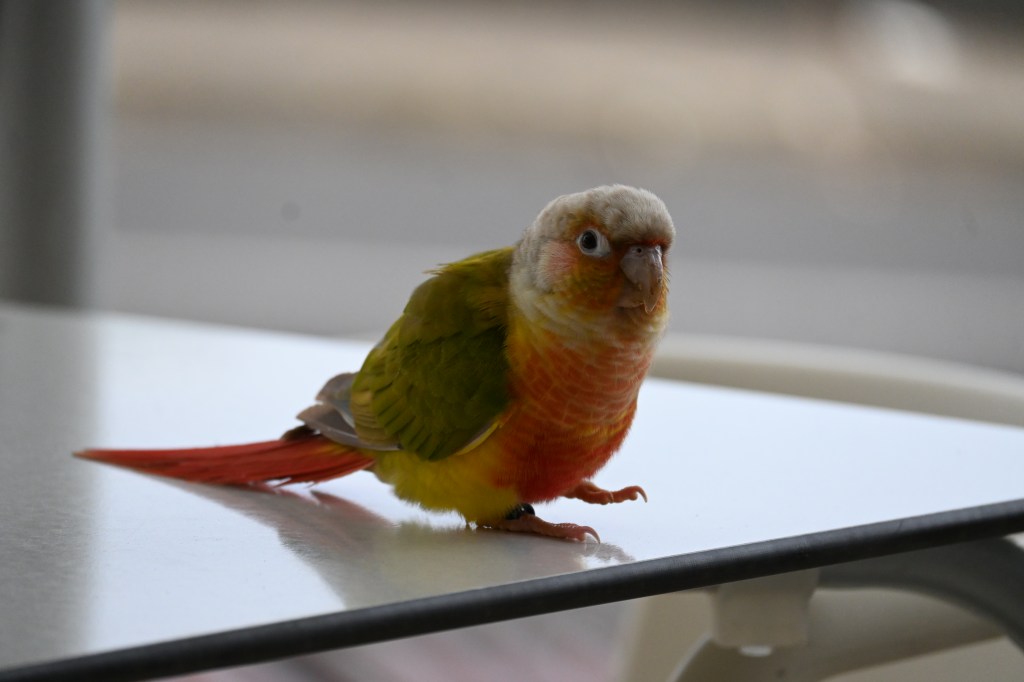
This rose-ringed parakeet does not live in India but on Madeira, where it is kept by a private person as a free living pet.
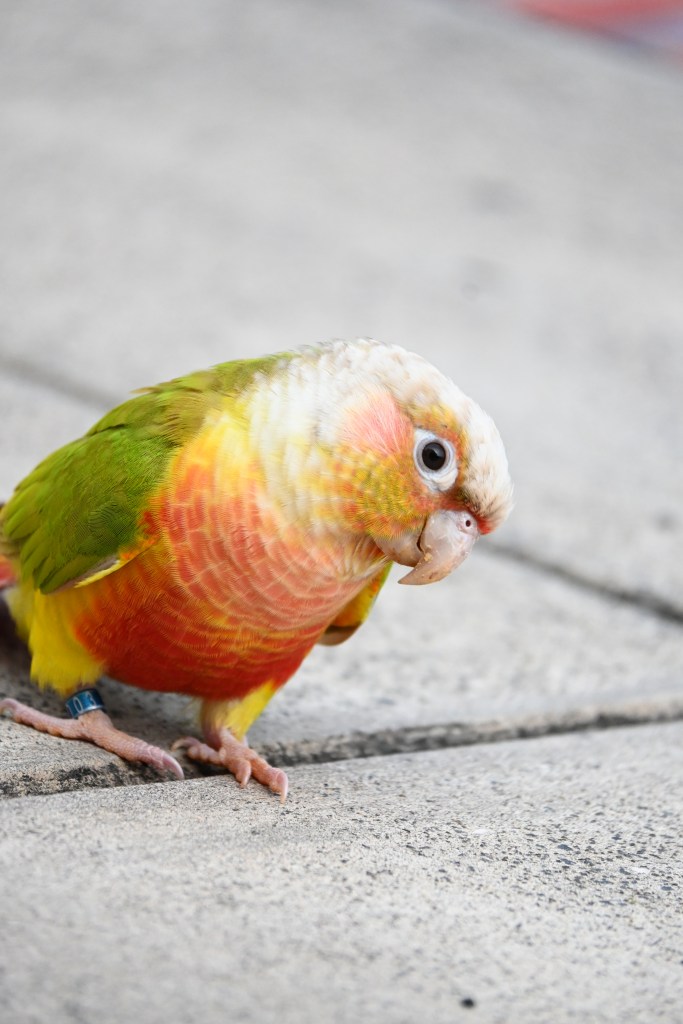
Parrots in India attack poppy fields. What is the background here.
Parrots in India attack poppy fields. What is the background here. In India, parrots are a common species, especially rose-ringed parakeets, which occur in regions such as Neemuch in Madhya Pradesh (cf. LiveScience 2019). In India, poppy fields are officially cultivated under state control in order to produce medicines such as morphine and codeine (cf. Virtue Recovery Center 2023).
The birds are a burden for the field workers, because they not only attack the poppy, but also show addictive behavior over time. Symptoms such as aggression, nervousness or even crashes during flight have been observed (cf. Virtue Recovery Center 2023; LiveScience 2019). It is difficult to control the wild animals. Countermeasures such as firecrackers or guards show only limited effectiveness (cf. LiveScience 2019).
Nature and addiction: not a single case
In nature, addictive behavior is shown not only by parrots, but also in the classic example of dolphins, which lick a pufferfish to get high (cf. Smithsonian Magazine 2014). Wasps are also known to consume fermented fruits or tree sap and thus become intoxicated (cf. National Geographic 2017).
But it is not only about intoxication in the direct sense. Dopamine receptors have also been studied: In a well known pigeon experiment by B. F. Skinner it was shown that pigeons exposed to random food distribution (variable ratio schedule) display stronger, compulsive behavior than with reliable rewards. This is directly connected with the dopamine system and addiction dynamics (cf. Skinner 1957).
Measures against the animals
Farmers have tried various measures: some use firecrackers or loudspeakers to drive the animals away with noise, others rely on patrols by field workers. But all these methods are only effective in the short term, the parrots keep coming back (cf. LiveScience 2019). Nets or reflective tapes are also sometimes used, which are somewhat more sustainable and do not cause direct harm to the animals (cf. Virtue Recovery Center 2023).
Less animal-friendly methods, such as attempts to keep parrots away through targeted poisoning or shooting, are considered highly problematic, as they cause animal suffering and are not compatible with modern standards of animal welfare.
Economic interests
Why is poppy still being cultivated? The answer is simple: money and security.
For the farmers, poppy means a stable income, especially in regions such as Madhya Pradesh, Rajasthan and Uttar Pradesh. For the Indian state, it is a secure source of revenue, since India is one of the world’s largest legal exporters of opium poppy products (cf. INCB 2021). For the pharmaceutical industry, it is an indispensable raw material. Medicines such as morphine and codeine are in high global demand.
And last but not least: legal cultivation prevents the entire demand from being met via the illegal black market (cf. UNODC 2022).
The ethical dilemma
So, to round things off: the parrots show addictive behavior that is partly natural. What is unnatural, however, is that the poppy fields are artificially created. A classic dilemma, because painkillers are simply necessary in medicine. Nobody wants to be in pain – and we don’t have to be.
But: we face the question of whether the medical benefit of opiates justifies the ecological and animal-ethical side effects. Philosophically, reference can be made here to Hans Jonas’ principle of responsibility: we are obliged to shape technical and medical progress in such a way that it does not lead to uncontrolled ecological consequences (Jonas 1979).
One possible solution could be the biotechnological production of morphine in yeast cells, which was first achieved in 2015 (Galanie et al. 2015). This would make poppy fields superfluous in the long term and thus also reduce conflicts between humans, animals and the environment.
The end of the story
Poppy cultivation is more than just a local phenomenon of parrots getting high. It is part of a global web of medical necessity, ecological risks and economic interests. The example shows how closely health, environment and ethics are interwoven and that solutions must always be thought of on several levels.
Thanks for reading
🦜
♥️
Literaturverzeichnis
Galanie, S. et al. (2015): “Complete biosynthesis of opioids in yeast.” Science, 349(6252): 1095–1100. DOI:10.1126/science.aac9373.
INCB (International Narcotics Control Board) (2021): Report of the International Narcotics Control Board for 2021. Wien: Vereinte Nationen.
Jonas, H. (1979): Das Prinzip Verantwortung. Versuch einer Ethik für die technologische Zivilisation. Frankfurt am Main: Suhrkamp.
LiveScience (2019): “Parrots in India are getting high on poppy farms.” Online verfügbar unter: https://www.livescience.com/64908-parrots-poppy-farm-india.html [Abruf: 03.09.2025].
McAlister, S. et al. (2016): “The environmental footprint of morphine: a life cycle assessment.” BMJ Open, 6:e010930.
National Geographic (2017): “Animals get drunk on fermented fruit.” Online verfügbar unter: https://www.nationalgeographic.com/animals/article/drunk-animals-fermented-fruit [Abruf: 03.09.2025].
Parenti, C. (2015): “An Environmental History of Opium Poppy in Afghanistan.” Geographical Review, 105(2): 171–187.
Skinner, B. F. (1957): Schedules of Reinforcement. New York: Appleton-Century-Crofts.
Smithsonian Magazine (2014): “Dolphins Seem to Use Toxic Pufferfish to Get High.” Online verfügbar unter: https://www.smithsonianmag.com/smart-news/dolphins-seem-to-use-toxic-pufferfish-to-get-high-180948219 [Abruf: 03.09.2025].
UNODC (United Nations Office on Drugs and Crime) (2022): World Drug Report 2022. Wien: Vereinte Nationen.
Virtue Recovery Center (2023): “Opium-Addicted Parrots: The Truth Behind the Headlines.” Online verfügbar unter: https://www.virtuerecoverycenter.com/opium-addicted-parrots [Abruf: 03.09.2025].

 Wildlife Stories