Seals and the Baby´s in Germany
Helgoland in December: Baby Seals, Rough Seas, and the Freshest Air on Earth
In December, I went to Helgoland – Germany’s only offshore island. A tiny, wild place in the middle of the rough North Sea, where the wind blows your thoughts away, and the air is so fresh, it feels like you’re breathing for the first time. No joke – it’s like a full-on lung reset. First thing I did? Light a cigarette.
Getting there? A two-hour ferry ride from Cuxhaven. Once you arrive, you realize: this island is small enough to explore on foot in a single day. Winter isn’t exactly peak season for the usual tourists, but from November to February, something way more special happens: the baby seals are here.
Welcome to the Dune: Seals, Sand, and Wind Protection
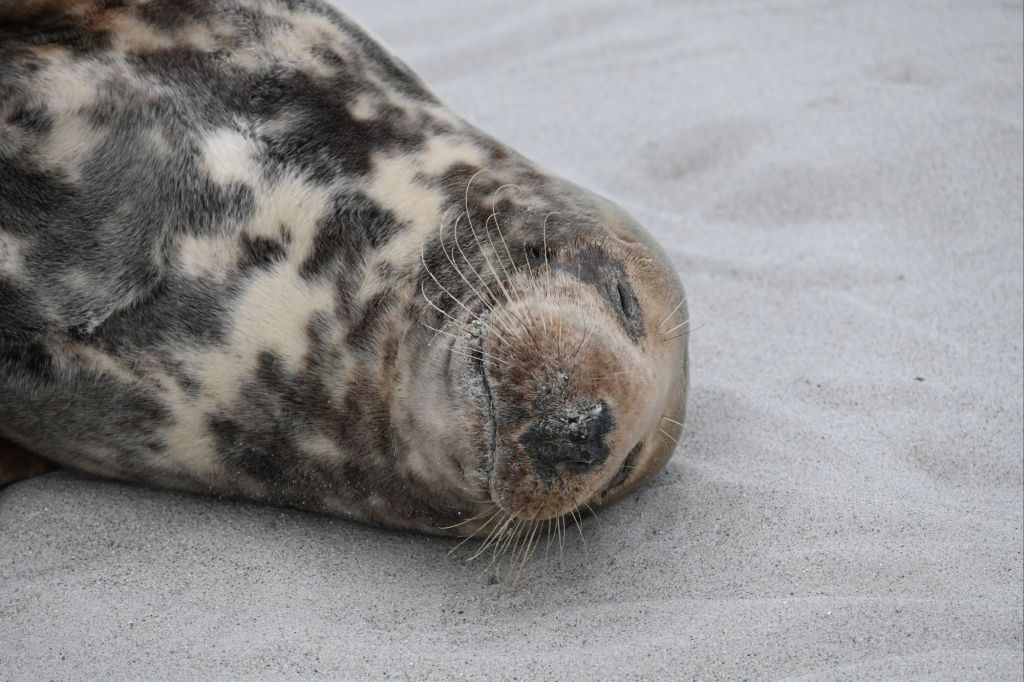
I had no idea how many seals actually live on Helgoland. A short, ten-minute ferry ride takes you to the “Düne” – a little sandy island where grey seals and harbor seals chill out. The sand? Perfect. The landscape? Like a tiny wildlife paradise. There’s an airstrip, a small restaurant, and a harbor, but the real stars are the animals.
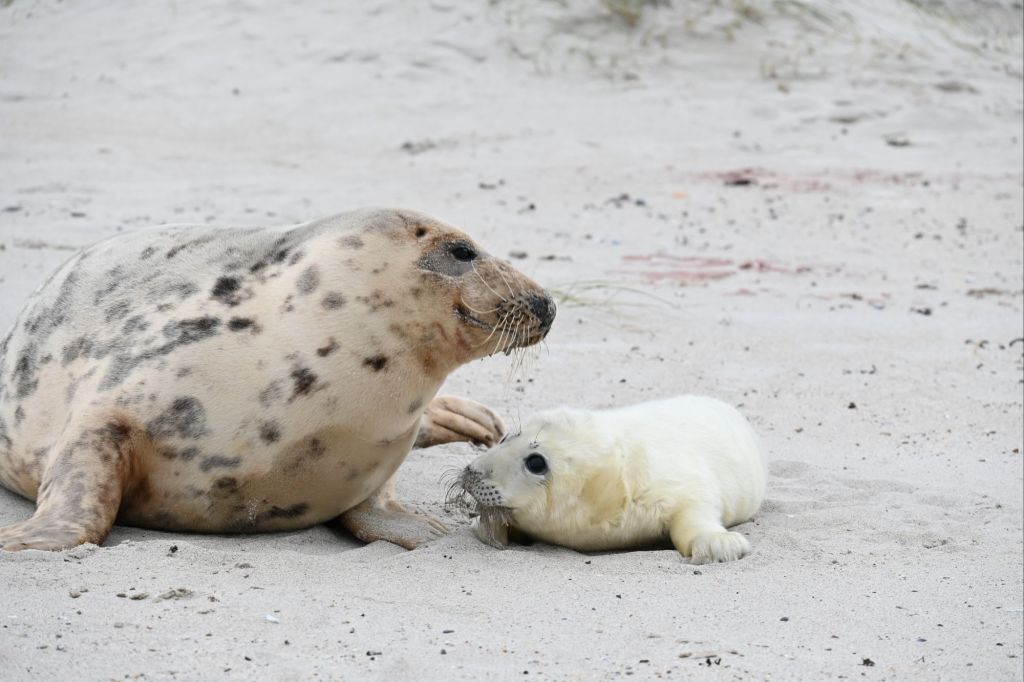
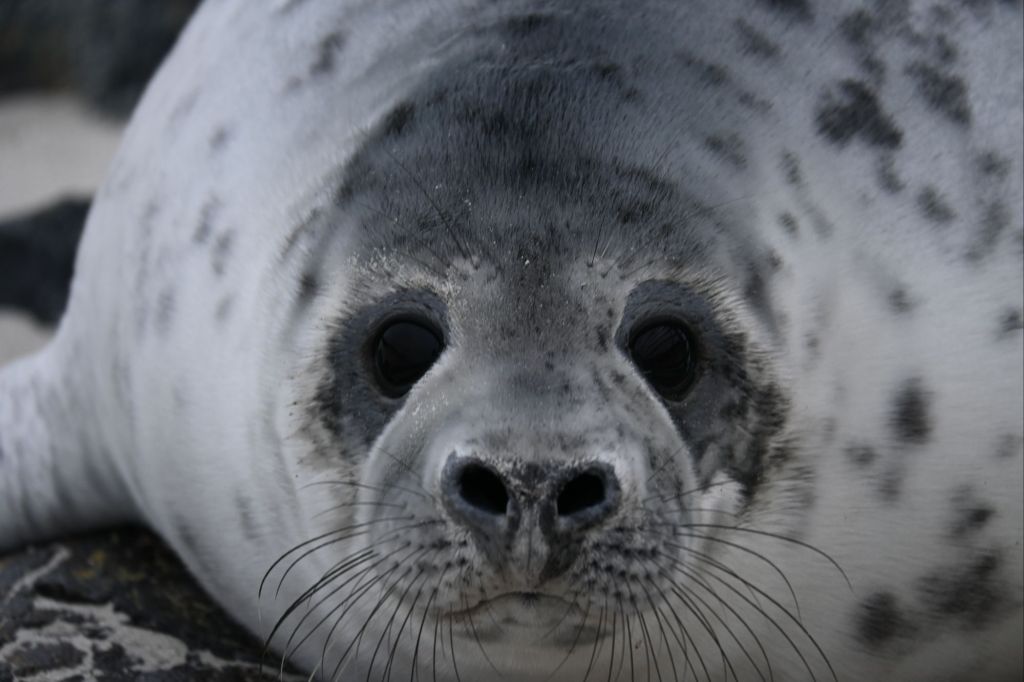
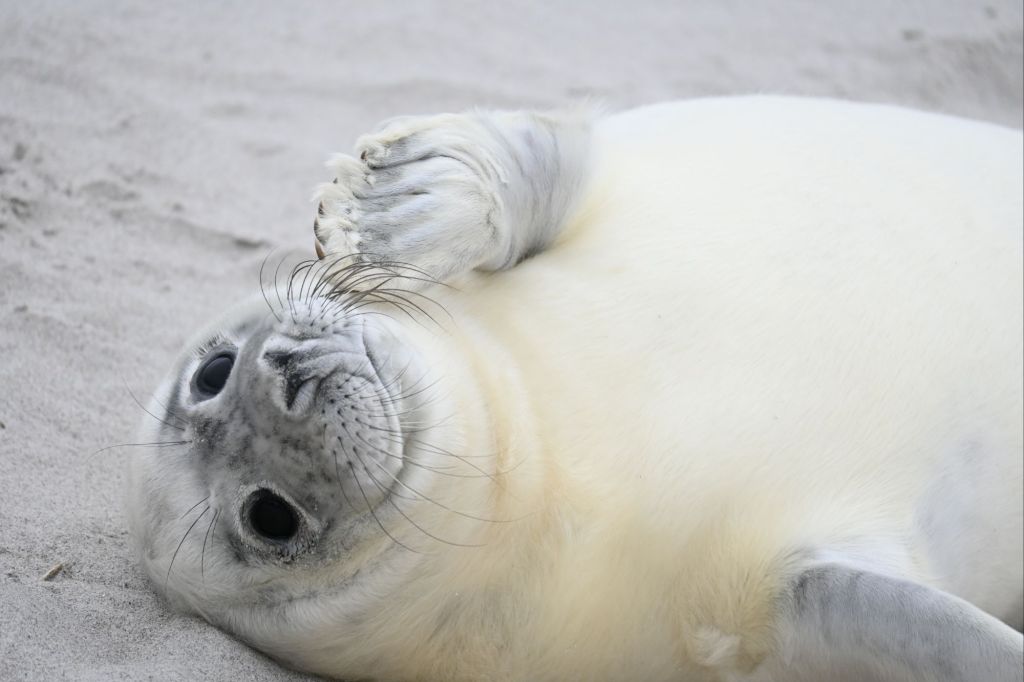
All over the beach: tiny, white baby seals. You can hear them calling, see them wobbling around, and watch them up close. There’s a fence separating visitors from the beach – partly to protect us, partly to protect them. But even with that, they are ridiculously close.
Magical Encounters – With Limits
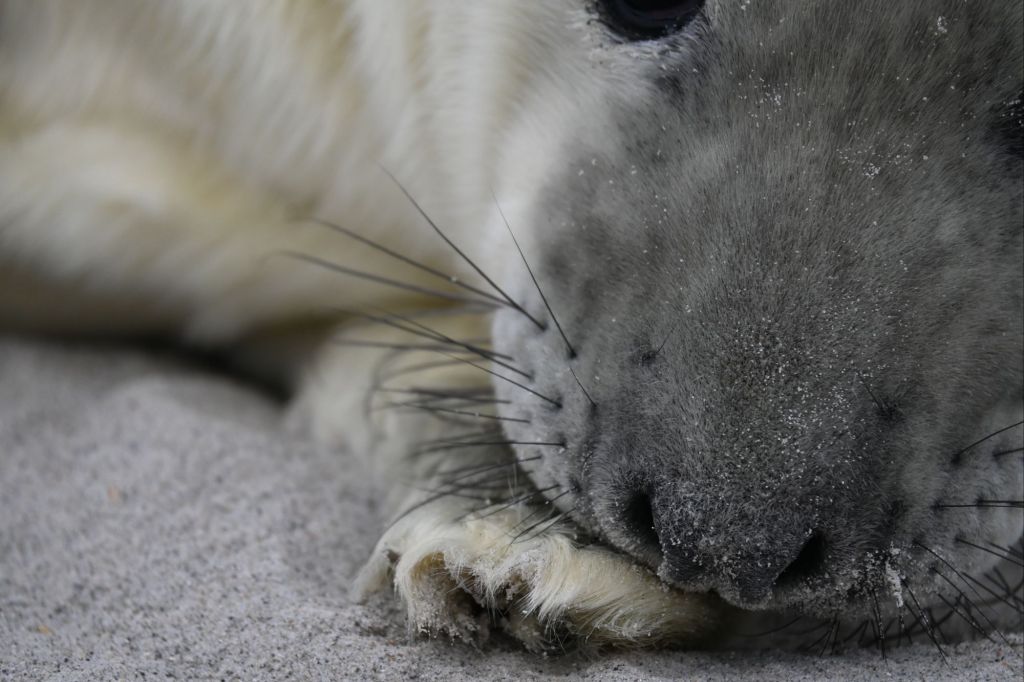
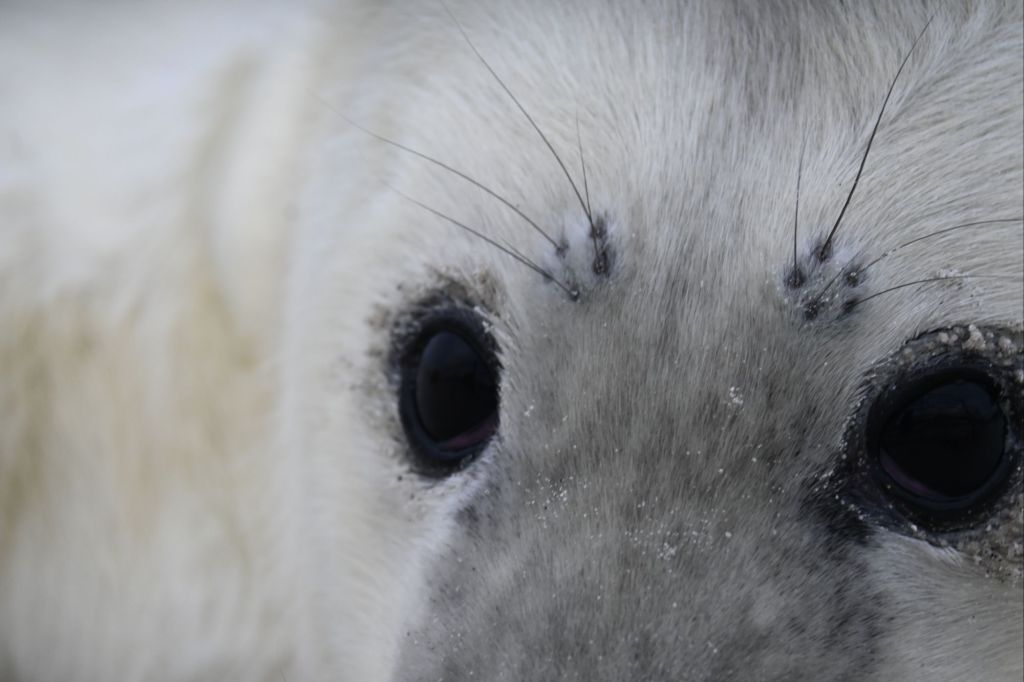
It was cold, maybe five degrees, but I loved every second of it. You connect with these adorable creatures instantly. They’re used to people, but that doesn’t mean you should get too close – as I quickly learned.
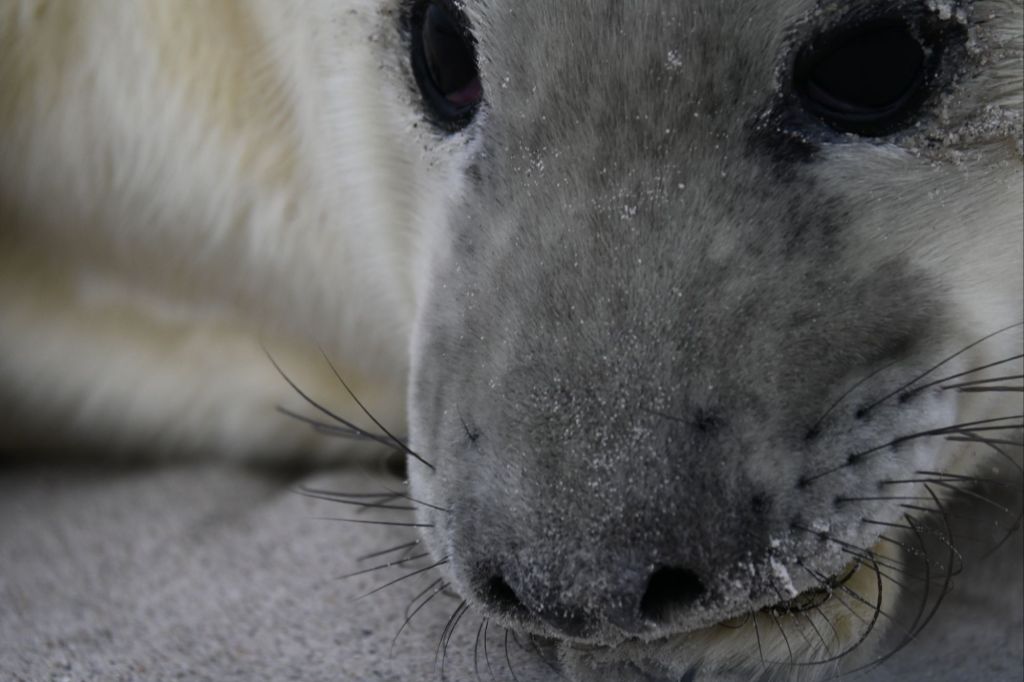
I was taking pictures of a fluffy white baby seal, moving just a little bit closer each time… and then I saw the mother. Her eyes locked onto me. Clear message: “Not. One. Step. More.” I got it immediately and backed off. Good job, mama.
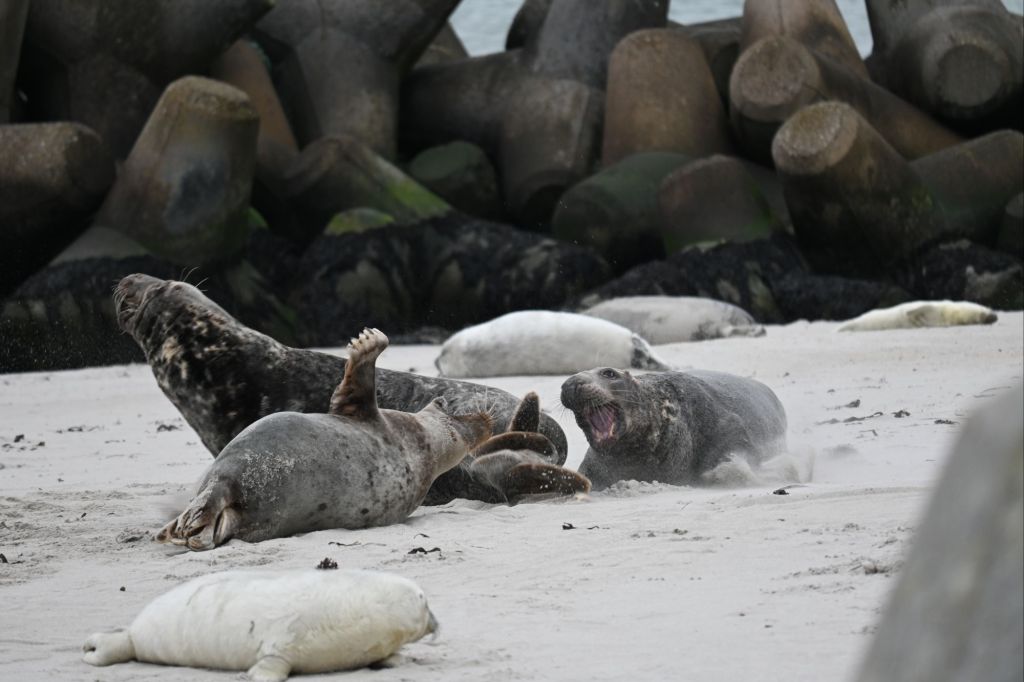
I also got to witness some serious fights – not just between seals of the same species but even between grey seals and harbor seals. It gets rough out there.
The Real Threat: Fishing Nets
In the North Sea, seals don’t have to worry about sharks or orcas. Their biggest threat? Fishing nets. Many seals suffer a slow, painful death after getting tangled up. According to the German Marine Conservation Foundation, an estimated 101 dead seals were found in 2021, all victims of net entanglement. (Prompt: Insert source and a more recent example here.)
A Unique Experience
Helgoland in December isn’t your typical winter getaway. It’s raw, cold, and wild – but that’s exactly what makes it special. The air, the animals, the deep connection with nature. I’d do it all over again in a heartbeat. And who knows, maybe next time, I’ll even skip the cigarette.
The Mother: Intensive Care and Rapid Weaning
Grey seal mothers provide intense care for their young. Immediately after birth, they lick their pups to strengthen the bond. In the first few weeks, the mother stays close to her pup, keeping it warm and protecting it from other seals.
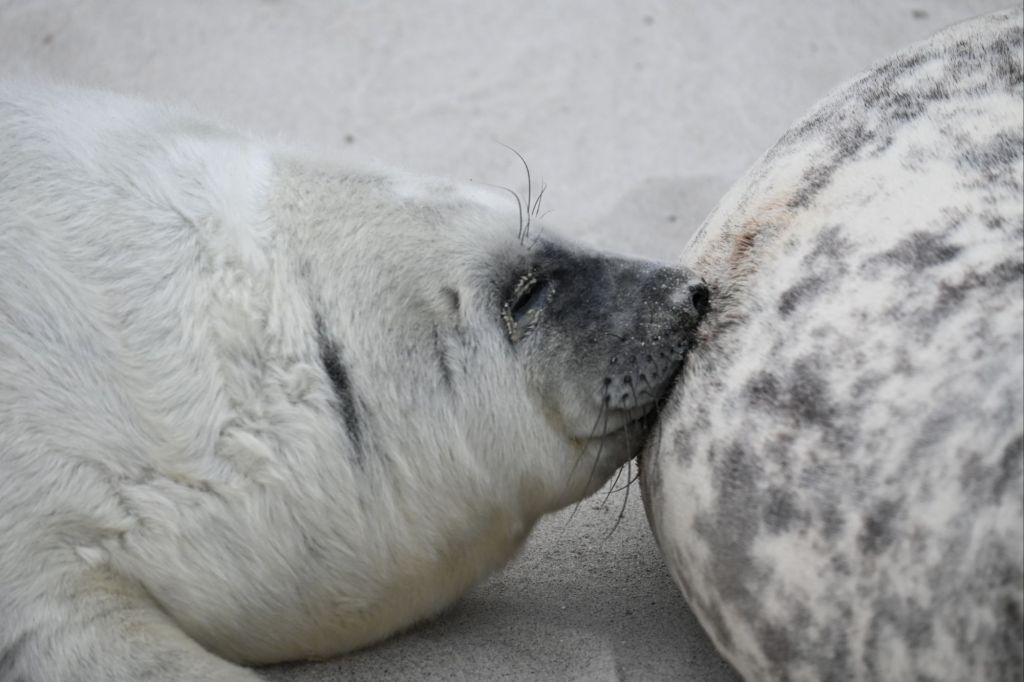
Grey seal milk is extremely rich in fat (around 60%), allowing the pups to double or even triple their birth weight in just two to three weeks. During this period, the mother does not eat and relies entirely on her fat reserves. Once the pup is weaned, the mother leaves it behind and returns to the sea to feed again. From that point on, the young seal must fend for itself.
The Fathers: Dominance and Reproduction
Unlike the mothers, male grey seals do not participate in raising the young. During the pupping season, dominant males gather on the beaches to defend their territories and mate with as many females as possible.
Fierce battles often break out between rival males, as only the strongest bulls secure mating rights. Their primary role in the colony is competition and reproduction, while the mother bears the full responsibility for nurturing the pup.
The First Weeks Without a Mother
After the mother leaves, the pup remains on land for several more weeks. During this time, it lives off its fat reserves and gradually explores its surroundings. Only after shedding its fluffy white coat in exchange for a waterproof, grey-brown adult coat does the young seal venture into the sea.
These first swimming attempts are crucial for survival: the pup must quickly learn how to hunt for food and defend itself from predators. This transition period is particularly dangerous, but those who successfully adapt will become the next generation of Helgoland’s remarkable seal colony.
Conclusion: A Short but Critical Start to Life
The rearing of grey seal pups on Helgoland highlights how essential the first few weeks are for survival. While mothers provide intensive care to ensure rapid growth, fathers play no role in raising the young. Once weaned, the pups face the challenge of survival alone. Visitors to Helgoland who respect the seals’ space can witness this extraordinary natural event while helping to preserve a vital breeding ground for future generations.

 Wildlife Stories