The World of Pigeon Breeding
Why pigeons were bred – and why they still are today
Pigeons have long lived alongside humans – in cities, on rooftops, in courtyards. Their presence isn’t incidental. The breeding of pigeons reveals a long-standing, often overlooked relationship: one shaped by use, adaptation, tradition, and responsibility.
Even today, in a world more conscious of animal welfare, pigeons continue to be bred – for many reasons.
1. Food Source: Pigeons as Livestock
One of the lesser-discussed aspects: pigeons are still bred for meat. In countries like France, Morocco, or China, domesticated pigeons – especially meat pigeons or squab – are considered a delicacy. These birds are raised specifically for food, selected for their size, rapid growth, and meat quality.
Historically, pigeon lofts were a common feature of European estates, and the practice continues today in small-scale farms and culinary circles. While it remains a sensitive subject, it is a real and active part of the modern breeding landscape.
2. Tradition and Symbolism
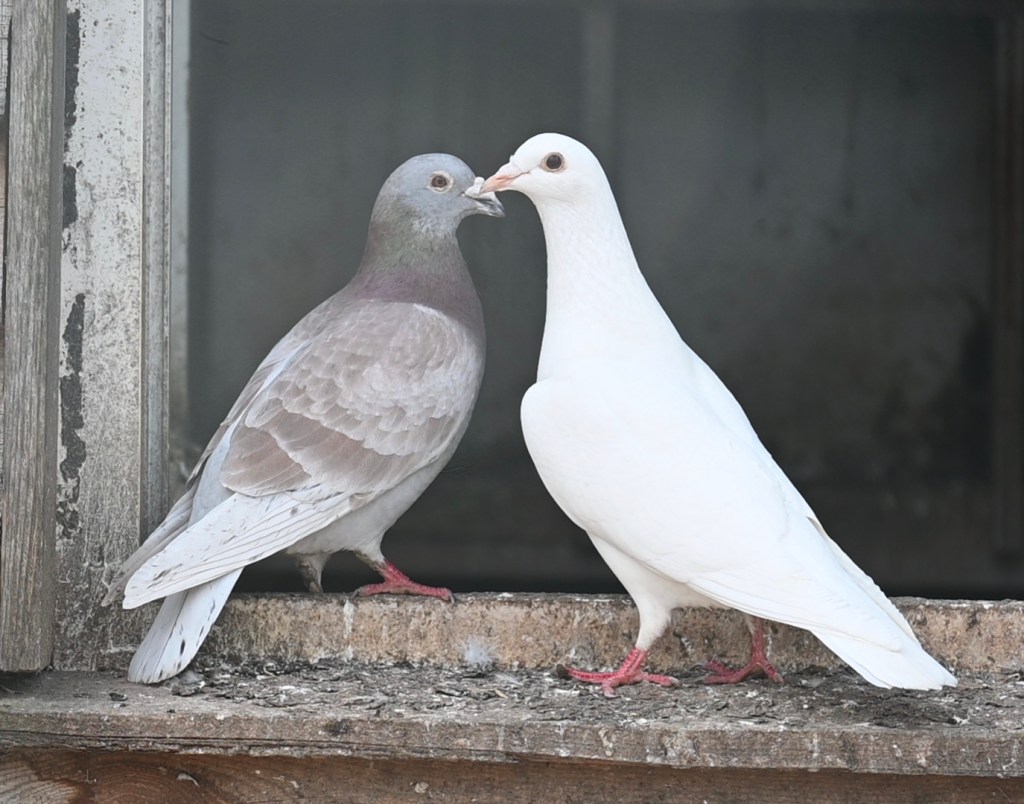
Pigeons were bred not only for food, but also for their symbolic power. In ancient cultures, they were seen as divine messengers. Later, they became icons of peace, love, and loyalty. These cultural meanings have legitimized pigeon breeding across centuries – and still influence the way pigeons are perceived and bred today.
In many regions, the practice is deeply rooted in local identity, with bloodlines passed down through generations.
3. Pigeon Racing: Performance, Orientation, Community
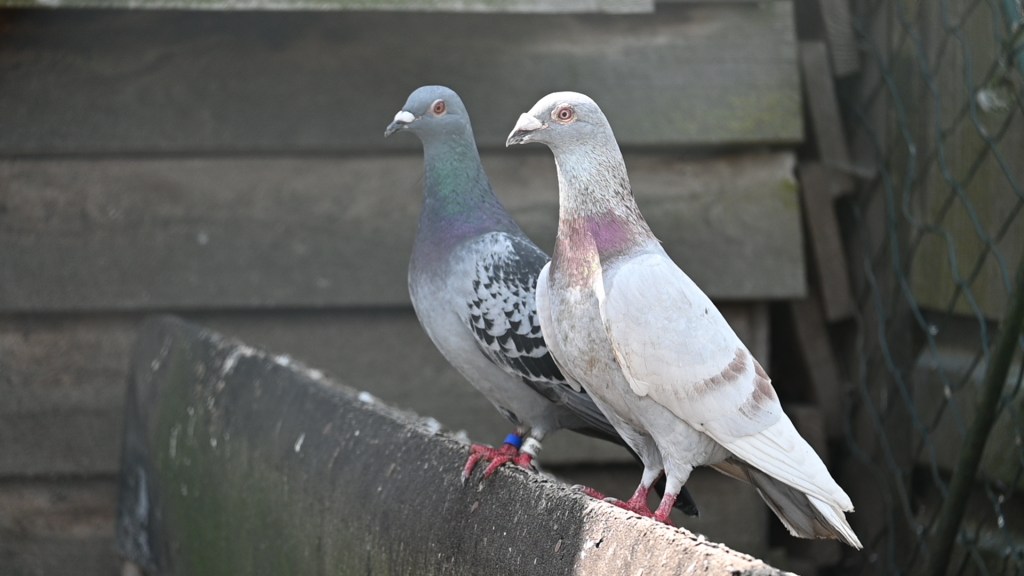
Perhaps the most visible form of pigeon breeding today is for sport. Racing pigeons are trained for competitive flights, where their homing ability is tested across long distances. This sport is popular in countries like Belgium, the Netherlands, Germany, and Poland.
For many, it’s about more than competition – it’s a community centered on care, observation, and passion. Still, ethical questions remain relevant and necessary.
4. Breeding for Diversity: Color, Form, Breed
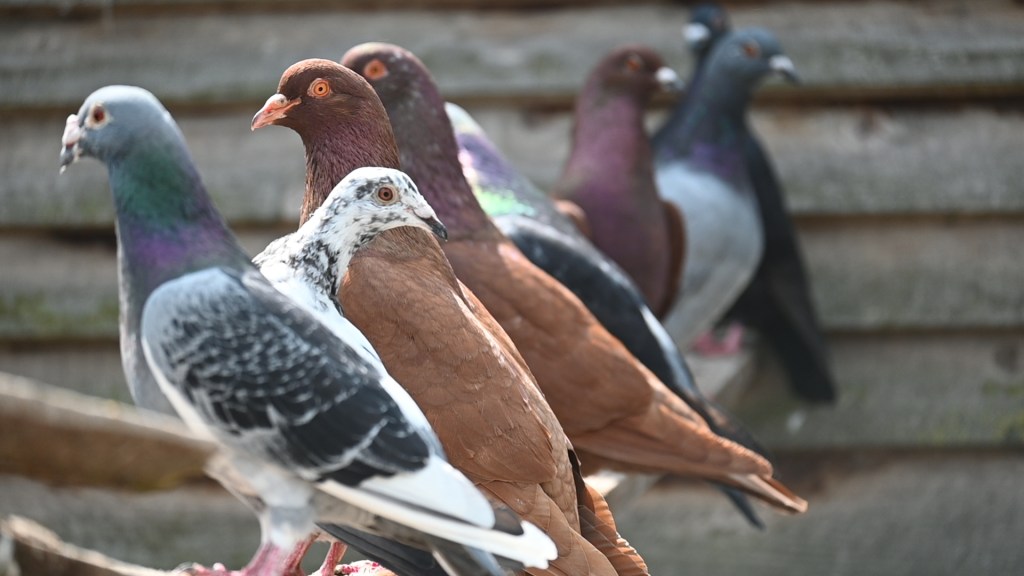
Pigeons are among the most diverse bird species in the world. Over centuries, selective breeding has created hundreds of breeds – each with distinctive feather patterns, body shapes, and behaviors. Breeders often focus on preserving and refining these traits, supported by exhibitions, clubs, and international networks.
5. Scientific Relevance
Pigeons are also used in scientific research. Their cognitive abilities, social behaviors, and remarkable navigation skills make them a valuable model in neuroscience and behavioral studies. Research involving pigeons is subject to strict ethical guidelines, especially in modern labs.
A Relationship of Proximity and Responsibility
Pigeon breeding reflects a complicated relationship: a mix of tradition, utility, fascination, and care. These birds live close to us – in our cities, our farms, and our stories. Often ignored, sometimes adored, sometimes used.
To understand why pigeons are bred is to understand something about ourselves – about how we shape the lives of other species, and how they shape ours in return.
For those who still want pigeons at their wedding
There are breeders who treat their birds well. I’ve visited some in Brandenburg and Mecklenburg – took a look at the lofts, talked to the people. Their pigeons aren’t clipped, not locked up all day, and they get proper food and care.
And yes – most of them find their way back home.
Pigeons are creatures of habit. They return to where they were raised.
Unless a fox gets to them first. It happens. That’s nature.
If done right, this kind of pigeon keeping can be fair – for the bird, and for the moment.
And honestly? It doesn’t even have to be high-maintenance.
But it takes respect. That’s the line.

 Wildlife Stories