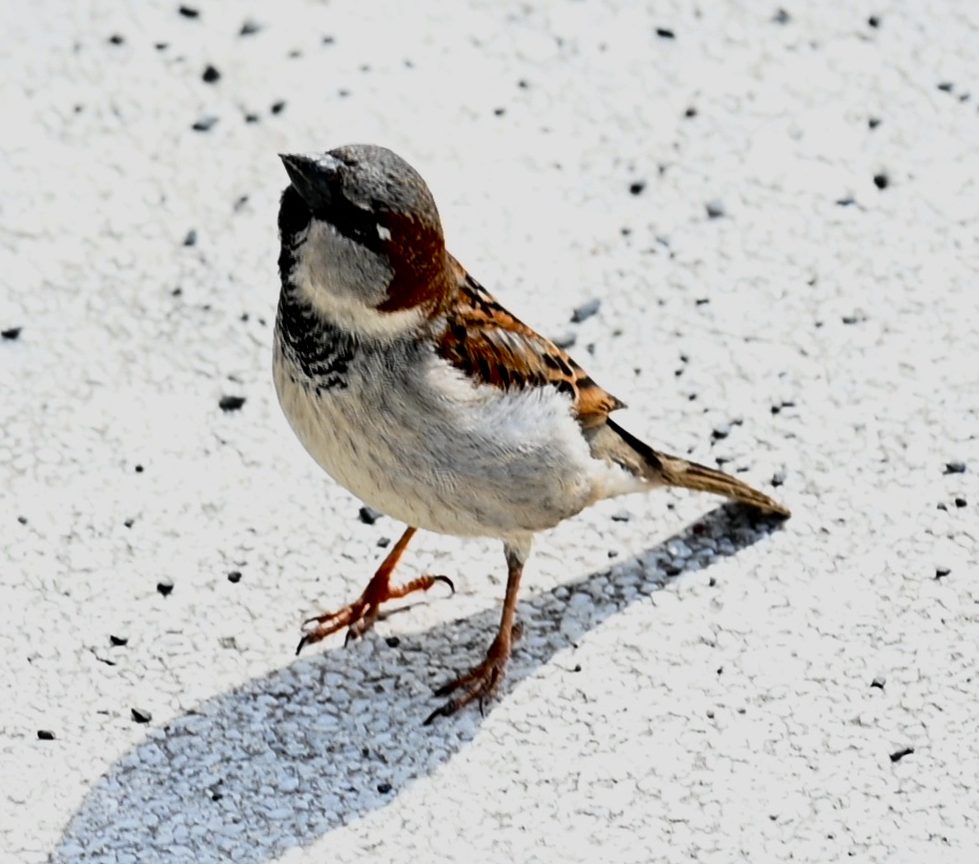
Feeding City Pigeons for Animal Welfare Reasons: A Necessary Solution to a Recognized Problem
City pigeons are a common sight in many urban areas. However, their presence often leads to conflict and frustration between people and birds. It is important to acknowledge the issue of urban pigeon populations and seek reasonable solutions that consider both the welfare of the animals and the needs of city residents. One such solution lies in feeding city pigeons for animal welfare reasons – with well-managed pigeon lofts playing a key role.
The Problem with Urban Pigeons
Urban pigeons have adapted to life in the city, where they find food and nesting sites. Their high reproduction rate has led to overpopulation in many places, raising health and hygiene concerns. In addition, their droppings and noise can cause property damage and complaints. These challenges should not be ignored, but rather addressed with thoughtful and effective management strategies.
Animal Welfare as a Justification for Feeding
Feeding urban pigeons for reasons of animal welfare is an ethical responsibility we carry as a society. These are living beings that can suffer from hunger, particularly in urban environments where natural food sources are limited. By feeding them, we help to alleviate their suffering and improve their overall well-being.
It is important to emphasize that any feeding must involve appropriate, high-quality food that meets the birds’ nutritional needs.
Well-Managed Pigeon Lofts as a Solution
An effective and humane solution lies in the establishment of managed pigeon lofts. These lofts provide pigeons with protected areas for nesting and breeding. By offering them safe and controlled living spaces, we can limit uncontrolled reproduction and reduce the concentration of pigeons in public areas.
Regular cleaning and maintenance of these lofts is essential to ensure hygienic conditions and public acceptance.
The Importance of Awareness and Collaboration
The success of feeding pigeons for animal welfare reasons depends heavily on public education. People need to be informed about the positive impact that responsible feeding and proper management can have – in order to counter prejudice and fear.
Collaboration between municipalities, animal welfare organizations, and the public is key to developing and implementing practical, long-term solutions.
If you’d like, I can also prepare a shortened version for brochures, signage near pigeon lofts, or educational materials. Or we can translate it into a more casual version for social media use – just let me know!
Voluntary heroes in service of the community: People like Lilly, who dedicate themselves to an often overlooked urban issue.
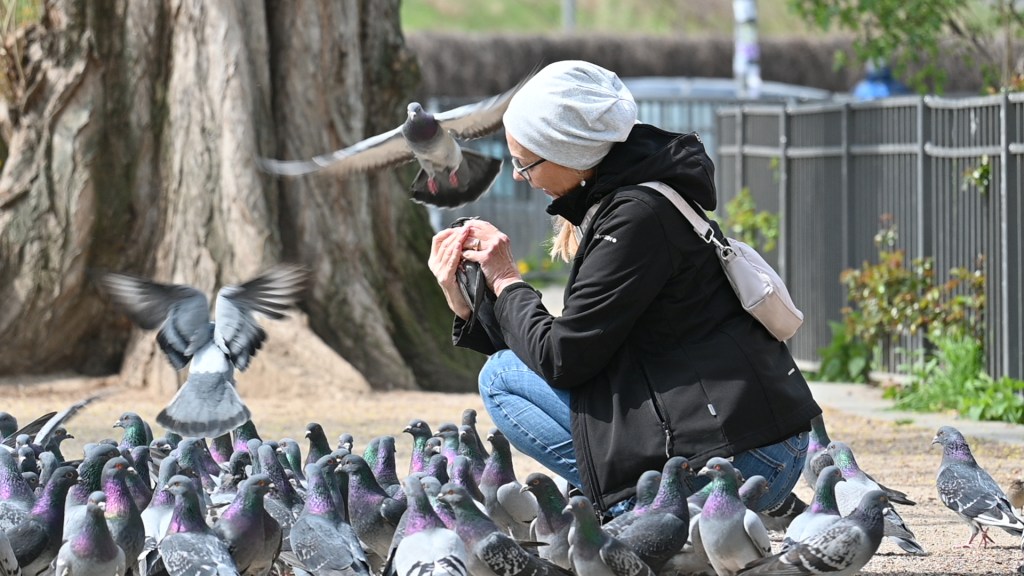
In the midst of a city defined by hustle and daily routine, there are often issues that receive far too little attention. Some of these challenges affect urban life more than we realize – and they are taken on by dedicated individuals, often at their own expense. These people organize themselves into small groups and take it upon themselves to tackle problems that many simply overlook, striving to find real solutions.
An Overlooked Problem
Every city faces issues that seem minor at first glance but quietly impact everyday life. This includes areas suffering from neglect, pollution, or general disrepair. Left unchecked, such conditions can affect the well-being of residents and the social fabric of a neighborhood. It takes committed hearts to notice these problems, raise awareness, and take action where others stay silent.
A Story of Commitment
Lilly is an inspiring example of someone who understands that urban life only works when people actively contribute to it. Together with a group of like-minded individuals, she has taken on the issue of neglected animals in the city. They monitor the animals, care for their health when needed, and provide support – all on their own time, using their own resources.
Through this grassroots effort, they’re creating something bigger: a sense of community, connection, and shared responsibility.
The Importance of Recognition and Support
It is essential to recognize and appreciate this kind of civic engagement. The selfless dedication and personal commitment of people like Lilly deserve not only public gratitude, but also active support from local authorities and communities. By creating spaces for exchange, dialogue, and collaboration, more volunteer-driven initiatives can flourish – ultimately enriching urban life for everyone.
So yes, people and let me be clear: feeding pigeons is important.
Healthy animals mean a healthy city.

 Wildlife Stories